
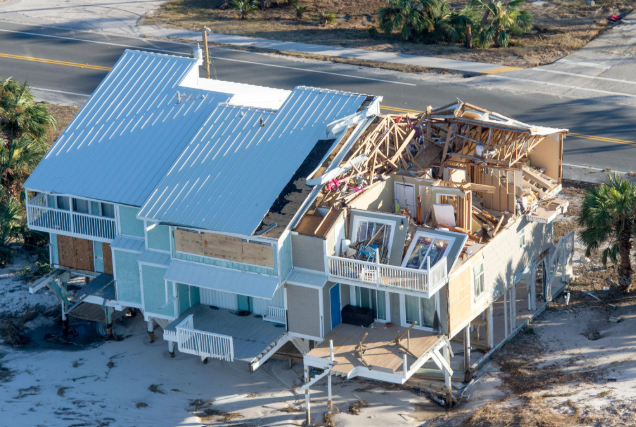
Hurricane Isaias made landfall near Destin, Florida, on October 9, 2026, bringing damaging winds and heavy rainfall to portions of the Florida Panhandle.
For homeowners in Pensacola, Milton, Navarre, Fort Walton Beach, Destin, Niceville, Santa Rosa Beach, and Panama City Beach, the damage left behind may involve much more than missing shingles or fallen trees.
If your home suffered hurricane damage, understanding the hurricane damage insurance claim process is one of the most important steps you can take toward protecting your property and your insurance claim.
Before your insurance company’s adjuster arrives, there are several things you should do.
1. Document Hurricane Damage Before Cleaning Up
One of the biggest mistakes homeowners make after a hurricane is failing to document the full extent of their property damage.
Before moving damaged belongings or beginning nonemergency repairs, photograph and video all accessible damage, as long as doing so is safe.
Your hurricane damage documentation should include:
- Roof damage, missing shingles, damaged flashing, and fallen debris
- Interior ceiling stains, wet drywall, and visible water intrusion
- Damaged windows, doors, siding, gutters, and exterior structures
- Flooring, cabinetry, furniture, and personal belongings affected by water
- Detached structures, fencing, garages, and outdoor equipment
- Any temporary repairs completed to prevent additional damage
Take wide-angle photographs showing entire rooms or exterior areas, followed by close-up images of individual damage.
If emergency cleanup or mitigation is necessary, document the conditions as thoroughly as possible without delaying measures needed to protect the property.
Why this matters: Your insurance company may rely on photographs, measurements, inspections, and other evidence when determining which damage is covered and how much repairs may cost.
2. Protect Your Property From Additional Damage
Many homeowners insurance policies require policyholders to take reasonable steps to prevent additional damage after a covered loss.
These responsibilities are commonly described as duties after loss.
Depending on the circumstances, reasonable protective measures may include:
- Arranging emergency roof tarping
- Removing standing water
- Beginning professional structural drying
- Boarding broken windows or doors
- Addressing unsafe openings where water can enter
- Protecting salvageable personal property
For example, if Hurricane Isaias damaged your roof and rainwater continues entering your home, allowing that water to remain without taking reasonable protective action could create additional problems.
Keep photographs, invoices, contracts, and receipts for emergency services for your hurricane damage Insurance claim after Isaias .
Estimated reading time: 0 minutes
Do not climb onto an unstable roof, enter a structurally unsafe building, or attempt hazardous electrical work. Use qualified professionals when appropriate.
3. Review Your Homeowners Insurance Policy
Before filing a hurricane insurance claim, review your policy declarations, applicable endorsements, deductibles, and claim-reporting requirements.
Important questions include:
Does my homeowners insurance cover hurricane wind damage?
Many Florida homeowners policies provide some form of windstorm coverage, but coverage varies. Certain policies exclude or separately insure wind damage.
What is my hurricane deductible?
Florida hurricane deductibles are often calculated as a percentage of the insured dwelling value rather than a fixed dollar amount.
Does my policy cover water intrusion?
Coverage may depend on whether water entered through storm-created damage, rose from flooding, or resulted from another cause.
Are there roof coverage restrictions?
Some policies contain endorsements that affect roof replacement costs, depreciation, or payment calculations.
Knowing what your policy actually says can help you identify issues before the insurance company’s inspection.
4. Create a Home Inventory for Insurance
A detailed home inventory can be valuable when filing a hurricane damage insurance claim involving damaged personal property.
Include the following information when available:
- Item description and approximate age
- Brand and model
- Purchase price or estimated replacement cost
- Photographs or videos
- Receipts, invoices, or other proof of ownership
- Description of the damage
For expensive electronics, appliances, furniture, and other valuables, try to locate original purchase records.
Keep the inventory organized by room to make it easier for the insurance company to review.
5. Understand the Hurricane Insurance Claim Process
While each claim is different, the typical process involves:
- Reporting the damage to your insurance company
- Receiving a claim number
- Documenting the loss and completing reasonable emergency mitigation
- Scheduling an insurance inspection
- Providing requested information and supporting documentation
- Reviewing the insurer’s coverage determination and estimate
- Addressing missing damage, disagreements, or additional repair costs when necessary
Your insurance company’s adjuster evaluates the loss on behalf of the insurer.
A licensed public adjuster, by comparison, represents the policyholder in preparing, presenting, and negotiating the insurance claim.
6. Do Not Ignore Insurance Claim Deadlines
Florida homeowners should not assume they have unlimited time to submit hurricane insurance claims.
For property insurance claims governed by Florida Statute 627.70132, initial and reopened claims generally must be reported within one year of the date of loss. Supplemental claims generally must be reported within 18 months.
However, your policy may require prompt notice and impose additional obligations or deadlines.
Requests for documents, examinations, inspections, or sworn proofs of loss can have separate deadlines.
Important: Do not wait until the statutory deadline to report hurricane damage. Notify your insurer promptly and review the requirements of your specific policy.
7. Review the Insurance Company’s Damage Estimate
After the insurance company inspects your property, carefully review its written estimate and coverage decision.
Look for:
- Missing rooms or damaged building components
- Incomplete roof measurements
- Omitted water-damaged materials
- Incorrect materials or repair methods
- Missing labor or necessary associated repairs
- Depreciation, deductible, or coverage limitations that require explanation
An insurance estimate is not necessarily the final word on the amount of your loss.
Additional documentation or a supplemental claim may be appropriate when covered damage or necessary repair costs were missed.
Hurricane Isaias Insurance Claim Help in the Florida Panhandle
Rockwall National Public Adjusters assists residential and commercial property owners with property insurance claims throughout Florida.
With over 20 years of industry experience, our team helps policyholders understand the claims process, document damage, review estimates, and communicate with insurance companies.
Whether your property is in Pensacola, Gulf Breeze, Milton, Navarre, Fort Walton Beach, Destin, Niceville, Santa Rosa Beach, or Panama City Beach, you do not have to navigate a complicated hurricane insurance claim without professional representation.
Frequently Asked Questions About Hurricane Damage Insurance Claims
How do I file an insurance claim after a hurricane?
Contact your insurance company promptly, report the damage, obtain a claim number, document your loss, take reasonable steps to prevent further damage, and follow the policy’s claims requirements.
Should I repair hurricane damage before the insurance adjuster arrives?
Necessary emergency measures should not be delayed when required to protect the property. Document the damage and repairs, preserve relevant evidence where practical, and coordinate permanent repairs with the claim process.
How long do I have to file a hurricane insurance claim in Florida?
For claims governed by the current Florida property insurance notice statute, the general deadlines are one year for an initial or reopened claim and 18 months for a supplemental claim. Policy-specific requirements may require earlier action.
Can a public adjuster help after I have already filed my claim?
Yes. A licensed public adjuster may assist with an existing claim, including reviewing documentation, estimates, and potential supplemental claim issues, subject to applicable laws and policy terms.
Need Help With Hurricane Isaias Property Damage?
If your home or business suffered hurricane damage in the Florida Panhandle, Rockwall National Public Adjusters can help you understand your options and the insurance claim process.
Call Rockwall National Public Adjusters at (866) 483-4001.
Visit www.rockwallnpa.com to learn more about our property insurance claim services.
Florida Public Adjuster License: W806474